HOA Email Vs Letters: What’s The Best Way To Communicate With Homeowners?

Clear communication keeps a community steady. The question is simple: should you rely on HOA email or stick with paper letters when you need to reach homeowners in Southern California? The smart answer uses both, guided by legal rules, timing, cost, and owner preferences.

What Is HOA Email and When Should You Use It?

HOA email is quick, searchable, and easy to scale. Managers can reach hundreds of owners in moments and track replies without digging through folders. For everyday notices, reminders, and follow ups, email is hard to beat. It cuts printing and postage costs and creates a message trail your team can save with the association’s records.

In California, owners can choose how they want to receive individual notices. If a homeowner provides consent and lists email as the preferred method, many notices can go out electronically. That means less waiting, fewer returned letters, and a better chance of delivering time-sensitive information before it becomes an issue. The key is to store consent, use a role-based sender address the community recognizes, and archive both the message and any attachments.

A few watch outs are easy to handle. Emails can land in spam. Shared inboxes can blur who is responsible for a reply. Staff turnover can lock messages in personal accounts. A shared, role-based address (for example, board@ or manager@), simple templates, and a central archive solve most of that.

When HOA Letters Still Matter

Paper still carries weight. HOA letters are useful when the stakes are higher or when you want a physical record that sits on a kitchen counter and does not disappear behind an inbox. A hard copy can signal importance and formality, which helps when the subject is sensitive or when the association must show that proper notice went out.

Letters also support homeowners who prefer mail or never provided an email address. Some residents check email rarely or share an account. Mailing a letter ensures the message reaches the household in a familiar way. It is slower and costs more, but it can reduce disputes over notice and help the board demonstrate a good faith effort to inform everyone.

Using both channels on major issues is not wasteful. A mailed letter plus an email reminder catches different habits and helps ensure people see what they need to see.

Legal Basics in California: Consent, Preference, and Policy

A sound HOA communication plan follows what the Davis-Stirling Act sets out. The framework is straightforward:

  • Individual delivery follows the member’s stated preference on file. If the owner chose email and consented, you can use email for that category of notice. If no preference is on file, use the default methods listed in the statute, which include first-class mail.
  • General notice can be posted on the website or placed in a newsletter, among other methods, as long as those locations are identified in the annual policy statement. Any member can request general notices by individual delivery instead.

Best practice is to confirm preferences each year and restate where you post general notices in the annual policy statement. That one habit keeps you aligned with California rules and reduces confusion when boards or managers change.

Compliance and Recordkeeping for Email

Email should be convenient and compliant. If your newsletters or broad updates have a promotional tone, follow basic CAN-SPAM guidance. Include a physical mailing address in the footer, provide a simple way to unsubscribe from non-essential emails, and honor those requests quickly. This does not stop you from sending required notices by email when the law allows, but it keeps everyday messaging respectful and clean.

Records matter. Save a copy of each message and attachment. Keep a list of recipients for every send. Note the date and time. If a homeowner revokes consent for HOA emails, update that preference right away and switch them to mail. With this routine, HOA email becomes a reliable record rather than a casual note.

Cost, Timing, and Staff Time

Cost and speed influence every decision. Paper needs printing, stuffing, and postage. Each step takes staff time, and every ounce adds up. Email has near-zero per-message cost, though most associations pay a modest monthly fee for a quality platform or portal.

Time matters too. Email lands in inboxes within seconds and can carry calendar invites, forms, or links to longer documents. Mail takes days and adds prep time. For large communities, the gap in time and staff effort becomes significant. A simple rule helps: use the HOA email for speed and volume, use paper when you need formality or a physical trail.

Accessibility and Inclusion

new email | hoa email

A good plan meets people where they are. Some residents rely on mobile devices, and short emails help them. Others prefer Spanish or another language at home. A few need screen reader friendly documents. Meeting these needs is part of respectful service and leads to better engagement across the board.

Some practical steps you can follow include:

  • Offer both email and paper by default, then let owners choose
  • Use plain language and short paragraphs
  • Make PDFs accessible and easy to read on a phone

These small moves show care and often reduce follow-up calls, which saves time for managers and the board.

Building Your HOA Communication Plan

A simple, written plan keeps everyone aligned and reduces mistakes. Start with a one-page policy your board can approve, then build out templates and checklists that staff can follow.

Explain who drafts messages, who reviews them, and who sends them. Determine which items are sent via HOA email, which are sent by mail, and which receive both. Set timing windows for notices, reminders, and final alerts. Last, describe how you will store sent messages, lists, and proof of mailing. When this is written down, new volunteers and managers can step in without missing a beat.

The core elements you need to include are:

  • A clean roster that lists each owner’s preferred delivery method and a backup address
  • Consent tracking and a simple process to update preferences
  • Message categories with a default channel for each
  • Templates for meetings, maintenance, compliance, and emergencies
  • An approval flow so drafts do not stall
  • Archiving rules for emails, attachments, and mailing proofs

Tools and Workflow for HOA Online Communication

You do not need complex software to communicate well, but a few basics help. A dedicated email platform or portal that supports lists, segments, and basic analytics is useful. Role-based inboxes (board@ or manager@) keep replies in one place. A clear display name and consistent subject lines help owners recognize official messages.

Here’s a quick setup checklist:

  • Choose a role-based sender and stick to it
  • Build lists for all owners, plus segments for buildings or streets
  • Create templates with short headlines, clear calls to action, and a standard footer
  • Set a schedule for routine sends and reminders
  • Keep a shared archive that staff can search later

With this foundation, HOA online communication becomes predictable and easy to manage.

Style Tips That Boost Open Rates

Small choices shape how your messages land. Subject lines should be short and specific. Put the key action first, then the time or date. For tone, write like a helpful neighbor. State what owners need to do and when, then point them to a person or email for questions. Keep messages focused. One message should handle one topic whenever possible.

If the email must carry a lot of detail, link to a longer PDF or your website, and keep the body brief. That way, mobile readers see the core message fast, and those who need more information can get it without scrolling through a long block of text.

When to Use Email, Letters, or Both?

letter | hoa email

Wondering which mode of communication is best to use? Here’s a quick guide on what you can do:

HOA email

  • Meeting notices for consenting owners
  • Maintenance windows and amenity closures
  • Payment reminders and portal how-tos
  • Surveys and RSVP requests

HOA letters

  • Owners without email consent
  • Certified or first-class mailings for sensitive matters
  • Welcome packets and architectural approvals that people may want to file

Using Both

  • Annual budget reports and the annual policy statement
  • Community-wide rule updates and enforcement changes
  • Projects that affect access or safety for many homes

This balanced approach respects preferences and creates proof that the association communicated in reasonable ways.

Putting It All Together

The best path is not email or letters. It is both, used on purpose. Let HOA email handle everyday updates and reminders. Use paper for formal matters, for owners who prefer mail, and when a physical document helps. Collect preferences, store consent, and keep your templates ready. Do that, and your messages will reach people in the way they prefer to be reached.

Electronic Convenience

When it comes to communicating with residents, an HOA email should be your default for speed, cost, and engagement. However, letters still have a place for formal issues and owner choice. Blend the two with clear rules, then review the plan each year so it stays useful for your community.

Looking for professional support for communications with your residents? Personalized Property Management offers HOA management services around Southern California. Call us at 760-325-9500 or email us at info@ppminternet.com for more information!

Related Articles:

HOA Website Cost: Is It Worth Spending The Budget On?

A good community website is no longer optional. Homeowners expect quick access to documents, dues, and updates on their phones. The real question is whether the HOA website cost matches the value your Southern California community needs. 

Benefits of an HOA Website

It helps to start with the “why” before digging into the “how much.” A well-planned website turns everyday HOA tasks into quick, self-service actions for homeowners and clean, trackable workflows for the board.

  • Reduce call and email volume by placing forms, payment links, meeting dates, and FAQs up front.
  • Speed up approvals and record-keeping with online submissions for architectural requests, violations, and amenities.
  • Improve compliance by centralizing notices, policy updates, and archives in one location.
  • Build trust with transparent budgets, minutes, and board updates that owners can find anytime.
  • Strengthen emergency communication with a single source for wildfire, high-wind, or power-shutoff updates.
  • Support accessibility needs by aligning with recognized standards so all residents can use the site comfortably.

What Affects HOA Website Cost

Before comparing vendors, it’s helpful to understand what drives HOA website costs up or down. Clarifying these levers early avoids surprises later and lets you set a realistic budget.

  • Build approach: choose between an all-in-one association system that includes a website or portal, a generic site builder, or a custom site built on a content management system by an agency.
  • Design scope: a standard template with light branding tends to be cheaper than fully custom layouts and page types.
  • Feature set: payments, architectural requests, violation tracking, amenities reservations, event calendars, mass email, and two-way messaging add value and effort.
  • Compliance and accessibility: posting disclosures if you designate the site for member communications, and meeting common accessibility standards such as WCAG 2.1 Level AA.
  • Security and privacy: SSL, backups, role-based access, and audit trails reduce risk but require setup and oversight.
  • Content effort: migrating documents, creating pages, and training admins can be time-intensive.
  • Support and maintenance: software updates, plugin renewals, bug fixes, and content refreshes carry ongoing costs.
  • Traffic and scale: more storage or heavier usage can push hosting or subscription tiers higher.

The Cost to Build a Website

Costs vary with scope and approach, but a few ranges help frame the conversation. Consider what you need now and what you may add in the next year to avoid under- or over-buying.

A basic, purpose-built HOA site can cost a few hundred dollars per year. Generic builders or custom sites can range from a few hundred per year for hosting up to several thousand for design, depending on the level of customization. Hosting and apps for typical small sites often fall between $15 and $150 per month, with expansive room above that for larger builds or more demanding features.

Build Approaches Compared (Pros and Cons)

No single approach fits every community. The right path depends on several factors, including headcount, administrative capacity, and the desired level of design flexibility.

Association-Focused Platforms

These systems focus on HOA needs and are packaged at a simple recurring price. Core features often include pages, a document library, member logins, and optional online payments. They are quick to launch and easier for volunteers to manage, though design choices are more opinionated.

All-in-One Suite

Websites or portals sit alongside assessments, architectural workflows, announcements, reservations, and document management. Pricing is commonly quote-based and tied to unit count and modules. The upside is fewer moving parts to integrate. The tradeoff is less freedom to redesign the front end.

Generic Site Builders or Content Management Systems

This route offers more design control and extensibility. Subscriptions and hosting vary by plan and add-ons. You may need third-party tools for forms, payments, and member-only areas. It can be an excellent fit for communities that want a distinct look and have support for ongoing maintenance.

How Much to Make an HOA Website vs. Maintainance

using a calculator | hoa website cost

Budgeting well means separating one-time build work from ongoing care. Identify who will handle each piece so costs map to responsibilities.

One-time build items include domain setup, site structure, branding and layout adjustments, content migration, and admin training. If you choose a custom path, costs may consist of agency or freelancer time.

Ongoing maintenance includes hosting or software subscriptions, SSL, backups, security checks, routine updates, and content updates for minutes, newsletters, policy changes, and calendars. Some communities add a small support retainer.

Maintenance costs vary because sites vary. Expect monthly spends from the low tens for simple sites to many hundreds for larger, custom builds with support. Basic hosting after promotional terms often lands in the $10 to $20 per month range, while broader maintenance services can range from tens to hundreds per month, depending on complexity.

Software and Website: How They Work Together

Many association software platforms include a website or portal builder along with native modules. This creates a single system for payments, architectural submissions, reservations, and notices that ties each action to a member record. The benefit is fewer double entries and fewer errors. If you choose a builder or content management system, you can still connect forms and payments, but you will rely more on third-party apps or custom integrations.

Features Worth Paying For

Not every feature earns its keep on day one. Focus on tools that solve weekly problems and elevate the quality of records.

  • Emergency banners and alert pages for local weather or safety events.
  • Online payments with recurring options and board-level reporting.
  • Architectural review workflows with digital submissions, status tracking, and notifications.
  • Reservation tools for pool, clubhouse, or courts with clear rules and time slots.
  • A member-only document library for CC&Rs, rules, budgets, and policy statements.
  • Notice and disclosure pages if you designate the website for official communications in your Annual Policy Statement.
  • Accessibility is aligned to WCAG 2.1 Level AA to support residents who use assistive technology.

Compliance in California

If you plan to use the website for official communications, your processes must be clear. A little structure goes a long way and keeps the board aligned.

Document in your Annual Policy Statement that the website is a notice location. Also, remember to place agendas and minutes on a predictable cadence so homeowners know where to check. Keep financials in a member-only library with basic access controls. 

Additionally, make sure board rosters and contact channels are current. For records retention, define how long to keep agendas, minutes, architectural decisions, violation notices, and financial documents, and specify who is responsible for publishing and archiving them.

Security, Privacy, and Access

Web security is less about expensive tools and more about consistent habits. Set a few non-negotiables and review them quarterly.

To keep things secure, assign role-based permissions with the least access needed to perform each task. Turn on multi-factor authentication for all administrators. Schedule automated backups and test a restore at least twice a year. 

As best practice, keep a short incident response checklist so you know who does what if an account is compromised. For payments and forms, confirm that data is encrypted in transit and at rest, note where it is stored, and limit who can export it.

Content Plan and Admin Workflow

Websites thrive on predictable updates, not heroic efforts. A light plan makes it easy for new volunteers to step in without losing momentum.

Start with a practical core. Public pages typically include community information, amenities, a calendar, contact channels, key policies, and instructions on how to request documents. 

Member-only areas usually show CC&Rs and rules, budgets, minutes, forms, architectural status, violation responses, and payment links. Set a quarterly content calendar that lists what will be updated and by whom. Short, regular posts keep the site fresh without exhausting administrators.

Budgeting and Procurement

showing a laptop | hoa website cost

You can stay within your HOA budget without cutting corners by buying only what you will actually use. Precise requirements often reduce scope creep.

First, you can write a simple list of must-haves, nice-to-haves, and future items. Ask vendors to price those groups separately so trade-offs are visible. You can choose plans that allow you to add modules later without penalties.

You also need to compare the total cost of ownership over two to three years, including payment processing, storage tiers, and support. Select annual billing only if it clearly reduces the total cost and doesn’t lock you into unnecessary features.

Avoiding Hidden Costs

Surprises usually come from items that were never discussed. Surfacing a few questions early helps keep the budget intact.

Clarify who pays for backups, updates, and plugin renewals. Ask for payment processing fees in writing, including per-transaction amounts and any minimums. If any custom code is part of the build, request documentation and a support plan.

Confirm your accessibility approach. Aligning to WCAG 2.1 Level AA from the start is usually cheaper than retrofitting later. Finally, check for data export fees so you are not boxed in if you switch platforms.

Accessibility and Inclusive Design

Accessibility is about fairness and practicality. When more people can use the site, fewer tasks fall back to manual emails and calls.

For this, you need to aim for WCAG 2.1 Level AA. Choose readable fonts and sufficient color contrast. Provide descriptive alt text for images. For forms, ensure they have straightforward and understandable labels and error messages. Make interactive elements reachable with a keyboard, like test pages with a screen reader, and on a mobile device. Add captions to videos and avoid posting scanned documents that readers cannot search.

Modern Solutions

When the site is tied to real tasks your owners and board handle every week, the payoff shows up in faster responses, fewer emails, and cleaner records. Pick the build path that matches your community’s size and capacity, keep maintenance simple, and measure results so the budget conversation stays grounded in facts. With a clear plan, your HOA website cost will feel like money well spent.

Related Articles:

HOA Disaster Preparedness Southern California: What Every Community Should Know

Living in Southern California is easy to love. The tradeoff is learning to plan for earthquakes, wildfire weather, and winter storms that can arrive fast. With this, HOA disaster preparedness in Southern California should be part of everyday governance.

HOA Disaster Preparedness in Southern California: Why Bother?

This region stacks hazards in a way few places do. Fault lines run through dense neighborhoods, and canyon winds can carry embers far ahead of flames. Heavy rain after a dry spell can push mud and water off hillsides and into streets.

During a stressful moment, residents look to their association for direction. They want straight answers and simple steps. A prepared board reduces confusion, speeds decisions, and shortens recovery time.

Remember that good planning also lowers costs over the long run. Maintenance tied to local risks prevents expensive failures. Clear documentation helps claims get processed without unnecessary delays.

Know Your Community’s Specific Risks

No two HOAs face the same mix of hazards. A hillside townhome community needs fuel reduction, slope care, and evacuation maps that work with narrow roads. A mid-rise in the city focuses on seismic safety, elevator recovery, and water shutoffs.

Coastal properties plan for storm surge, corrosion, and power reliability during winter systems. Desert-edge neighborhoods prepare for extreme heat and short, intense cloudbursts. The more precisely you define your risks, the better your Southern California HOA disaster plan will fit real life.

Here are some common SoCal risk profiles to map:

  • Hillside and canyon communities: Wildfire, embers, debris flows, and difficult egress.
  • Coastal areas: Storm surge, high tides, wind, and salt-related wear on systems.
  • Urban cores and mid-rises: Seismic safety, elevators, water shutoffs, and standby power.
  • Desert-edge neighborhoods: Extreme heat, air quality, and flash floods.

As part of planning, you should walk around the community with a site map and take photos to document the area. Mark slopes, gates, choke points, utility rooms, and places where brush collects. It’s also good to ask your city or county emergency office for hazard maps and recent history, then fold that into your notes.

The Big Hazards to Plan Around

emergency checklist | HOA disaster preparedness Southern California

Southern California communities face a predictable set of threats, even if the timing is unpredictable.

Wildfires

Seasons run longer and winds push embers far ahead of flames, so prevention matters. Maintain defensible space, keep roofs and gutters clean, and upgrade to ember-resistant vents and Class A roofing during scheduled replacements. Make evacuation simple with two routes, a clear assembly point, and reminders to park facing out.

Earthquakes

Quakes arrive without warning, which means the work is mainly before the shaking. Strap water heaters, secure tall or heavy items in common areas, and review retrofit needs for older buildings. Afterward, prioritize life safety, avoid downed lines and broken glass, and check gas only if you smell or see a leak.

Flooding and Debris Flows

Winter storms can overwhelm site drains, and rain over burn scars can move mud and rock quickly. Keep swales, catch basins, and roof drains clear, and stage sandbags and plastic sheeting where buildings sit below grade or near slopes. Map detours that avoid low underpasses, then walk the property after the first big rain to log fixes.

Mudslides and Landslides

Steep or fire-affected slopes are vulnerable when soils saturate. Inspect retaining walls and drainage paths ahead of storms, and maintain healthy groundcover to hold soil in place. Treat early signs like new cracks, leaning fences, or sticking doors as red flags that need fast follow-up.

Drought and Extreme Heat

Dry spells stress landscaping and raise fire risk, while heat waves strain the grid and affect health. Add shade in outdoor areas, maintain good ventilation in the clubhouse, and share local cooling center locations. Expect heavier use of pools and fitness rooms, and confirm safety equipment and filtration are ready.

Build a Plan People Can Follow

A good plan reads like instructions you would hand a family member on a hard day. It avoids jargon, uses plain steps, and shows who does what. Keep it concise enough for practical use and detailed enough to guide real action.

Your plan should cover:

  • Roles and backups for alerts, access, utilities, and first-responder liaison.
  • Plain-language checklists for fire, quake, flood, and power loss.
  • Evacuation and reentry maps with two routes and an assembly area.
  • Contact lists for residents, vendors, and insurers with account numbers.
  • Documentation steps for photos, logs, and claim submittals.
  • Storage locations for printed plans, keys, codes, and digital copies.

Communication That Actually Works

In an emergency, speed and clarity matter more than perfect wording. As part of HOA disaster preparedness in Southern California, you should pick a primary alert channel and a backup in case the first one fails. Decide who writes messages and who approves them when time is short.

Most associations use mass text or email through their management platform. Some add app push notifications if adoption is high. Smaller communities may keep a phone tree as a secondary option when power or data fail.

Keep your alert program tight by doing the following:

  • Primary channel: Mass text or email with delivery reporting.
  • Backup channel: App push or a phone tree, tested each quarter.
  • Message templates: Evacuate, shelter in place, status, and all clear.
  • Contact hygiene: Confirm details at move-in and at annual meetings.
  • Visibility: Post printed updates in lobbies or gatehouses during outages.

Evacuation and Shelter Planning

Routes that look good on paper can jam under pressure. You need to drive both primary and alternate routes at rush hour and at night to see if it works. Take note of bottlenecks, sharp turns, and places where sparks from brake rotors could threaten the brush.

Additionally, ensure gates open during outages by testing battery backups and practicing manual release with staff and volunteers. Label the steps on the inside of the gate cabinet so anyone can follow them.

List nearby shelters in the resident portal. Include schools, community centers, and pet-friendly options within a short drive. Update the list before fire season and again before the first winter storms.

Set up a buddy plan for residents who do not drive or who need help. Keep expectations clear and training simple. A ten-minute walkthrough once a year builds confidence without a heavy lift.

Harden the Property, Season by Season

Preparedness is also maintenance. Tie routine work to local hazards so you prevent minor issues before they become big ones. 

Here are some seasonal things to do for SoCal boards:

  • Late spring: Brush clearance, irrigation checks for fire-resistant plantings, and a red-flag reminder with routes and go-bag basics.
  • Summer: Shade at outdoor gathering spots, cooling center info in the portal, and battery checks for gates and radios.
  • Early fall: Clean roofs and every site drain, inspect slopes and retaining walls, stage sandbags where layouts call for them, and confirm vendor availability.
  • Winter: Monitor forecasts near recent burn scars, inspect the property after heavy rain with a log and camera, and replenish any supplies you’ve used.

Insurance and Financial Readiness

Coverage is part of readiness, and insurance needs to be part of the HOA budget. Meet with your broker to map what is covered, what is excluded, and where deductibles sit. Request a walk-through of a mock claim to understand the steps and documentation that are paid.

Standard property and liability policies do not always include earthquakes or floods. If your risk profile calls for it, explore stand-alone earthquake and flood coverage and how those policies align with the master policy. Confirm Directors and Officers coverage is current and scaled to your community.

You should also decide how the board authorizes emergency spending. A concise policy establishing thresholds and reporting steps helps prevent delays when minutes matter. Some associations add a small contingency for temporary fencing, debris removal, or added security during outages.

Store policies, contacts, and claim procedures in a go-folder and in a secure shared drive. Ensure that at least two board members and your manager can contact them promptly, day or night.

Bring Residents Into the Work

first aid class | HOA disaster preparedness Southern California

Prepared communities are built one household at a time. Keep engagement simple, practical, and welcoming so participation stays high. Offer a short extinguisher demo in the parking lot and a CPR evening with local trainers. Record a ten-minute video that walks through evacuation routes and post it in the portal.

Share checklists residents can use at home. Include a go-bag list, water storage tips, and a quick furniture-bracing guide. Encourage neighbors to swap phone numbers with the units next door and across the hall to make check-ins easier.

You should also form a small volunteer team to assist vulnerable residents. Set clear privacy rules, limit access to the list, and practice a light-touch text check-in. A simple “Are you safe? Do you need anything?” message can make a big difference.

Always Be Ready

Emergency preparedness in Southern California is not about predicting the next event. It is about building habits that work under stress and repeating them on schedule. With clear roles, tested routes, and supplies within easy reach, your community can face hard days with steadier hands.

Looking for professional support for disaster preparedness in your community? Personalized Property Management offers HOA management services around Southern California. Call us at 760-325-9500 or email us at info@ppminternet.com for more information!

Related Articles

HOA Violation Notice Process: From First Warning To Final Action

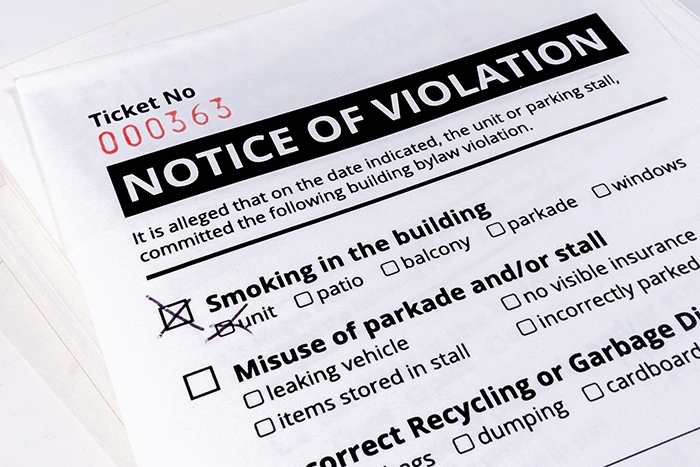
In any HOA community, maintaining order and appearance is crucial. Most associations follow a clear, step-by-step way to handle issues, starting with a friendly heads-up and, if needed, moving to a formal HOA violation notice that explains what to fix and how.

What is a HOA Violation Notice?

An HOA violation notice is a written message from the association letting a homeowner know that a rule in the governing documents has been broken. It lays out what happened, what the rule says, and what the owner can do to make it right.

These notices can cover a wide range of things—unapproved exterior changes, lawns that need care, trash left out too long, or vehicles parked where they shouldn’t be. Enforcing these basics protects curb appeal, helps property values, and keeps day-to-day living predictable for neighbors.

When and Why the HOA Sends a Violation Notice

Boards and managers don’t send notices on a whim. There’s usually a consistent process. Potential issues are found during routine inspections, walk-throughs, or reports from residents.

Once something is flagged, the manager or a board member verifies it. That usually means checking the rule, confirming dates and times, and taking a few photos. The goal is to correct real problems, not to single anyone out.

Starting with a Friendly Reminder

Many communities begin with a quick courtesy reminder. It might be an email, a door tag, or a short call. The message is simple: here’s what we saw, here’s how to fix it, and here’s when to do it.

This softer touch works because it assumes good intent. People travel, storms happen, and contractors run late. If the owner fixes the issue, the matter is closed. If the problem isn’t resolved or continues to occur, the association will proceed to a formal letter.

Issuing a Formal HOA Violation Letter

When a reminder isn’t enough, the board may send a formal letter. The best letters stick to facts and make the next step easy to understand. They name the specific rule, describe what was observed, show photos if helpful, set a realistic deadline, and explain what happens if the deadline is missed.

Tone matters. The letter should be clear and respectful. It should be delivered in the way your governing documents require, whether by certified mail, email, or hand delivery. At this point, the HOA violation notice becomes the official record that the board is enforcing rules fairly and providing a path to compliance.

What Should Be in an HOA Notice of Violation?

Details vary by community, but a strong notice usually includes:

  • The date, owner name, and property address
  • A short description of the issue, with photos when useful
  • The rule or guideline that applies, explained in plain language
  • What “fixed” looks like, plus a reasonable deadline
  • How to ask questions, who to contact, and how to request a hearing
  • What will be the next step if the deadline passes without a fix

Clarity keeps everyone on the same page and reduces back-and-forth later.

Homeowner’s Right to a Hearing

judge and gavel | hoa violation notice

In many states, including California, owners have the right to a hearing before fines or specific penalties are imposed. A hearing gives the owner a chance to share context, show proof of a fix, or request more time.

Best practice is to send a written hearing notice within the required time, hold the meeting with the board or a designated committee, keep simple minutes, and send a written decision afterwards. Your HOA violation notice should explain how to request the hearing and what to bring so the conversation is productive.

The Role of Fines and Penalties

If a violation continues after notice and, if requested, a hearing, the board may impose penalties as allowed by the governing documents and state law. Common options include a per-occurrence fine, daily fines for continuing issues, temporary suspension of amenities, or reimbursement assessments if the association had to correct the condition itself.

Fines should follow a published schedule and be reasonable. Written decisions should explain why a fine was imposed, how to stop additional penalties, and what steps to take to restore any suspended privileges. Clear guidance usually leads to faster fixes than heavy penalties.

What If the Homeowner Ignores the Violation Letter From the HOA?

If a formal letter goes unanswered and the problem continues, the board can escalate in measured steps. That might mean increasing fines for repeat issues, suspending certain privileges until the fix is complete, arranging limited self-help for things like emergency landscaping when the documents allow, or, as a last resort, seeking help from the association’s attorney.

Before moving to legal action, the board should confirm it followed every requirement: proper notice, a fair chance to cure, hearing rights, and solid documentation.

Avoiding Common Mistakes in the Violation Process

Good habits keep enforcement fair and drama-free. Here are some things you need to keep in mind to avoid problems:

  • Be consistent. Treat similar situations the same way.
  • Document well. Save letters, emails, photos, timelines, and hearing notes.
  • Use authority correctly. Don’t fine unless your documents and laws allow it.
  • Keep the tone respectful. Professional language gets better results.

Tips for Homeowners Responding to a Violation Letter

If you receive an HOA violation notice, take a breath and work the plan:

  1. Read it carefully. Note the rule cited, what needs to happen, and the deadline.
  2. Ask questions early. If “compliance” isn’t clear, ask for examples or a quick call.
  3. Fix what you can now. Quick action often prevents fines, even if bigger repairs take time.
  4. Request a hearing if you disagree. Bring photos, approvals, receipts, or a timeline.
  5. Keep records. Save the letter and your reply, and take after-photos when the fix is done.

Most issues resolve quickly when people talk to each other and follow the steps.

Best Practices for Boards and Managers

troubled woman | hoa violation notice

A straightforward, respectful process helps homeowners correct issues faster and reduces disputes. These practices keep your violation program fair, consistent, and defensible.

Send Timely Notices

Address violations soon after they are discovered. Prompt communication shows the rules are actively maintained and prevents small issues from becoming larger problems.

Date the notice, include when the issue was observed, and note how it was verified. If possible, add a time-stamped photo. Maintain a simple internal log to demonstrate that notices are sent within a standard timeframe following discovery.

Provide Clear Instructions

Spell out precisely what needs to be done, by when, and how to show proof. Reference the specific section of the governing documents, describe the corrective action in plain language, and give a realistic compliance deadline.

Tell the homeowner how to confirm completion. List acceptable proof, such as photos or invoices, and provide a direct contact for questions. Clear instructions reduce back-and-forth and improve the chance of first-time compliance.

Use Consistent Templates

Create standard letters for first notice, courtesy reminder, hearing notice, and fine notice. Consistent formatting keeps the tone professional and ensures the required elements are never missed.

Build fields for the rule cited, observed date, deadline, contact details, and rights to a hearing. Have management review templates annually so that they stay aligned with current policies and any legal changes.

Follow the Law

Check your process against applicable state and local requirements before sending fines or scheduling hearings. Many jurisdictions require advance notice, an opportunity to be heard, and written decisions after a hearing.

Apply rules uniformly to avoid selective enforcement. Keep homeowner information private, use neutral language, and be mindful of fair housing considerations when communicating and granting extensions.

Train Board Members

Offer a short orientation on the violation workflow, from documenting an issue to closing it out. Walk through real examples, practice hearing procedures, and clarify roles for managers and directors.

Provide quick-reference guides and scripts for common scenarios. A shared understanding of timelines, documentation standards, and communication etiquette helps the board act consistently and respectfully.

California-Specific Considerations

California’s Davis-Stirling Act guides notice and hearing procedures. The typical requirements you need to remember include a written notice before a disciplinary hearing, the owner’s right to attend and be heard, and a written decision sent within a set time after the hearing.

To ensure compliance, remember that fines must appear on a published schedule and be reasonable. Local ordinances on landscaping, noise, signage, and parking also matter, especially in Southern California. If you are in California, make sure your letters and timelines match these rules.

Importance of Communication and Fairness

The process works best when it feels fair. Owners respond better when they understand why a rule exists, what needs to change, and how much time they have.

Boards avoid disputes when they apply rules evenly, keep instructions simple, and answer questions quickly. A five-minute call or a quick photo update can do more to solve a problem than a stack of letters.

A Fair Process

A HOA violation notice is part of a simple promise: everyone knows the rules, and everyone gets the same chance to fix things when something slips. When boards follow the steps and owners engage in good faith, most issues get resolved without strain, property values stay protected, and neighbor relationships remain intact..

Related Articles:

Should the HOA Mow Vacant Lots?

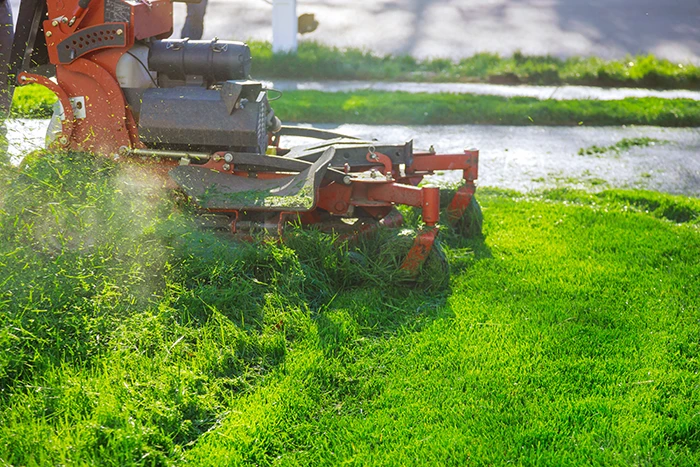
Vacant lots in neighborhoods can quickly become a detriment to the community. If they’re neglected, they become an eyesore and a possible safety risk for everyone in the community. If that were the case, should the HOA mow vacant lots? 

What are Considered Vacant Lots?

Simply put, vacant lots are areas or parcels of land in a neighborhood that are undeveloped. This means no residential (or commercial, if in a mixed-use community) structures are standing on that piece of land. 

Usually, vacant lots are privately owned, whether by a private individual, the developer, or an investor. They differ from common areas in HOA neighborhoods, which the HOA itself handles.

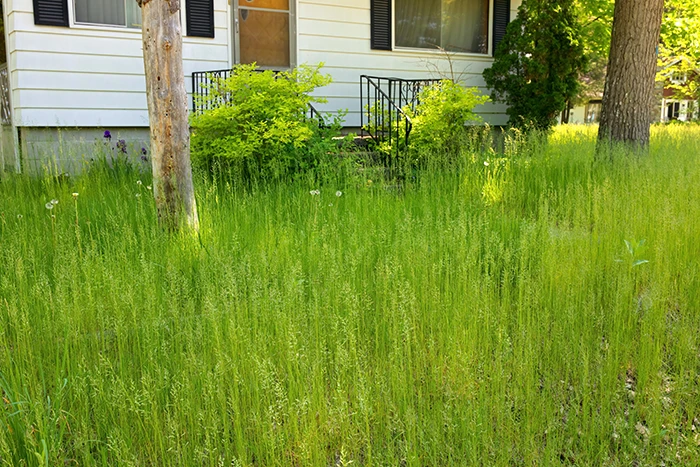
Because vacant parcels of land don’t have buildings yet, they tend to be easily overlooked. When this happens, they become both an eyesore to the community and a danger to people’s safety. 

Why Neglecting HOA Vacant Lots is a Bad Idea

Any area that is unkempt or neglected in a neighborhood hurts the community. From property values going down to safety risks, here are reasons you shouldn’t overlook vacant lots in your HOA community.

Fire Hazards

In many overlooked empty lots, weeds and brush tend to grow and thrive. If left unmanaged, this can easily spread into adjacent lots. 

With that much unmanaged foliage comes a considerable fire hazard. In places like Southern California, which may experience dry weather, that foliage can dry up. These leaves can easily start or become fuel for any wildfires that may start, causing damage to the lot and possibly nearby homes. 

Health and Safety Risks

Many pests, such as mosquitoes and rats, thrive in empty, overgrown lots. If left alone, a vacant lot can become a breeding ground for diseases carried by these animals. The worst part is that this could easily affect nearby properties and their residents if not handled immediately. 

Negative Curb Appeal

Another possible reason why one may ask “Should HOA mow vacant lots?” is the negative effect of unkempt properties on curb appeal. No matter how pristine the rest of the neighborhood looks, one overgrown empty lot can ruin that.

With negative curb appeal, potential homeowners may be less inclined to choose your community and move in. Not only do you have an eyesore with a neglected lot, but your property value also plummets.

Who is Responsible?

Who has the responsibility of mowing? Should the HOA mow the vacant lot if it’s unkempt and is affecting the community as a whole? 

In most HOAs, the person responsible by default is the owner of the property, even if it’s undeveloped. The association only maintains common areas and shared amenities.

Most local governments in Southern California also place this burden on the “owner of the record.” They need to keep the vacant property clear of weeds and trash, which will help minimize any safety hazards. 

There are rare occasions when the HOA has the responsibility. However, in those situations, this is written in the governing documents. With these arrangements, the HOA would be responsible for landscaping services for all properties, vacant or not. The expenses for this are usually part of the HOA dues.

What If Owners Don’t Maintain Their Lot?

tall grass | hoa mow vacant lots

If a lot is overgrown or unsafe and the owner doesn’t fix it, the board can move through these steps.

1. Violation Notice

Send a clear letter to the titled owner. Cite the exact CC&R section, describe what you saw, attach date-stamped photos, and give a firm deadline. 

For routine lawn and weed issues, 10 to 30 days is typical. At the same time, fire hazards may require less time under local codes. 

As part of the notice, explain how to contact the HOA, what happens if the deadline is missed, and the owner’s right to a hearing.

2. Hearing Opportunity (Civil Code §5855).

If the owner disputes or doesn’t respond, offer a hearing with at least 10 days’ written notice that lists the violation and possible actions. Let the owner present evidence or a cure plan. The board deliberates in closed session and sends a written decision within 15 days, including any deadlines or fines. Keep minutes and exhibits.

3. Self-help and Cost Recovery

If the CC&Rs allow and the problem remains, the HOA may do limited abatement. 

For this, you should give advance notice of the date and scope unless there’s an immediate safety risk. Use a licensed, insured contractor, take before/after photos, and do only what’s needed (mowing, weed removal, debris haul-off). Bill the owner the actual, reasonable cost and any permitted admin fee, with time logs and invoices to back it up.

4. Fines and Penalties

For continued noncompliance, levy fines under an adopted, properly noticed penalty schedule. Each fine still requires notice, a chance to be heard, and a written decision. Escalate for repeat or ongoing issues, and stop fines once the issue is resolved. You may suspend common-area privileges if the documents allow.

5. Lien and Collection

If reimbursable costs or other sums go unpaid, proceed to collections. In California, send a pre-lien letter with the disclosures in Civil Code §5660 at least 30 days before recording a lien. The owner may meet with the board, request IDR, and dispute the debt. 

Fines are generally not lienable for foreclosure. However, reimbursement assessments for abatement may be collected like assessments if your documents and the Davis-Stirling Act permit. Meanwhile, foreclosure will require statutory thresholds. 

As best practice, you should work with your HOA’s legal counsel or your collection agent.

6. Local Government Involvement

In high fire-hazard areas or where weeds and debris violate codes, agencies such as CAL FIRE or county code enforcement can cite, order abatement, or arrange work and add costs to the tax roll. Align your timeline with local weed-abatement calendars and defensible-space rules.

Something to Remember in Between Steps:

Re-inspect soon after the deadline, document any change, and send either a closure note or the next notice. Clear timelines, photos, and consistency resolve most cases without escalation.

Self-Help Enforcement: When the HOA Mows Vacant Lots Themselves

Sometimes, associations decide it’s easier to handle the problem directly. But this comes with pros and cons.

Why HOAs Step In

When the HOA mows vacant lots itself, it is trying to preserve the visual and environmental quality of the community. Quick action helps prevent further issues like neighbor complaints or fire risks. It also ensures that community standards are upheld without waiting for a possibly uncooperative owner to take action.

Making Effective and Practical HOA Vacant Lot Policies

Clear rules for vacant lots help everyone know what’s expected and give the board a fair, consistent way to act when there’s a problem. A good policy also reduces arguments and protects the association if disputes arise.

What to include

  • Define the basics. Spell out what counts as a “vacant lot” and what “neglect” looks like (for example: overgrown vegetation, piled debris, or obvious safety hazards).
  • Set an inspection plan. Note how often the HOA will check lots, what items are on the checklist, and how conditions will be documented (photos, dates, notes).
  • Give a clear timeline. State how long an owner has to fix an issue after being notified, and how to request more time if there are legitimate delays.
  • Explain enforcement. Describe the steps the HOA will take if problems aren’t addressed: how notices are sent, the owner’s right to a hearing, possible fines, and when the HOA may arrange the work and bill the cost back to the owner (“self-help”), with records kept throughout.

Keep the tone firm but fair, use plain language, and apply the same process every time. Consistency is what makes the policy work.

Alternatives to HOA-Managed Mowing

professional grass cutter | hoa mow vacant lots

While direct intervention works in some situations, there are alternative approaches that may be more sustainable or cooperative in the long run.

Contracted Services Paid by Owners

The HOA can manage a master contract with a landscaping company and assign mowing services to vacant lot owners. The HOA then bills each owner individually based on service use. This streamlines vendor management but keeps financial responsibility with the lot owner.

Owner Incentive or Opt-In Programs

Some associations offer early-compliance discounts or other perks for proactive owners. Others form volunteer beautification groups to help with occasional cleanups, especially if a lot is abandoned or in probate.

Education and Awareness

An informed community is more likely to comply. Regular newsletters, board meeting announcements, or community forums can highlight the importance of vacant lot maintenance. Promoting neighborhood pride may also encourage owners to do their part.

Best Practices for HOA Boards

Successful enforcement and policy management start with preparation. Here are a few best practices every board should follow.

Review Governing Documents

Before taking any action, double-check what your CC&Rs and bylaws allow. If the language is vague or unclear, consult your HOA attorney to avoid overstepping your authority.

Standardize Enforcement

Consistency is key. Use pre-drafted templates for notices, set clear deadlines, and follow a step-by-step process for all violations. This protects the HOA from claims of selective enforcement or bias.

Keep Records

Maintain logs of complaints, inspection results, notices sent, and any corrective action taken. These records are vital if the association faces legal challenges or disputes from owners.

Maintaining Appeal

Should your HOA mow vacant lots? It depends on who’s responsible, what your rules allow, and your budget. A clear, lawful plan prevents disputes, protects values, and keeps the neighborhood looking cared for.

Need professional help with handling unmaintained vacant lots in your HOA? Personalized Property Management offers HOA management services around Southern California. Call us at 760-325-9500 or email us at info@ppminternet.com for more information!

Related Articles:

HOA Board Of Directors Code Of Conduct: What Should Be Expected?

Being on the HOA board involves dealing with fellow board members. As leaders of the community, this needs to be done in a way that sets a good example. After all, homeowners trust their board to make fair and informed decisions, representing the best interests of the community.

What is the HOA Board of Directors Code of Conduct?

It’s a set of guidelines that outline how board members should act while serving the community. provides a guide on what is expected of their behavior when making decisions on behalf of the community, as well as the way they treat other people within the community.

At its core, these guidelines remind HOA board members of their duty to the community. Apart from that, it helps make sure that all their actions as part of the board of directors reflect their professionalism.

Each community may have a different set of rules. However, most codes are made with the same principles at their core. They help boards operate smoothly while maintaining the trust of homeowners.

Why an HOA Board Code of Conduct Matters

A lot of responsibility goes into managing a homeowners association. When you’re part of the board, you’re also responsible for budget management, rule enforcement, and decision-making. All of these directly influence the homes and lives of residents. Given that heavy task, knowing what is expected of you is crucial.

A well-written HOA board code of conduct can help with the following:

  • It helps prevent conflicts among board members or between board members and residents.
  • Having these rules minimizes legal risks since they encourage acting ethically.
  • As proper decorum shows respect and professionalism, it also builds trust between the board and homeowners.
  • It also protects the reputation of your HOA.

When everyone on the board understands how to conduct themselves, the HOA can function more effectively. Without a code of conduct, disagreements and personal conflicts can escalate and develop into larger problems that impact the entire community.

What is the HOA Board Code of Ethics?

A code of ethics and a code of conduct can go hand in hand. Many associations also adopt an HOA board code of ethics to complement the code of conduct.

The two are closely related, but the code of ethics deals with a board member’s integrity. On the other hand, the code of conduct deals with specific behaviors and HOA procedures.

Both documents work together to create a clear standard for board service.

Principles Behind the HOA Board of Directors’ Code of Conduct

Serving on the board isn’t just about attending meetings or voting on motions. It’s about setting the tone for the community. The way board members carry themselves reflects directly on the HOA.

Duty of Care

Members of the HOA board need to act in the best interest of the community. They should not prioritize their own personal interests. With this, they need to make decisions based on facts. They should consult experts in the field if required and stay informed about current HOA issues.

Duty of Loyalty

Most HOA board of directors code of conduct highlights the need for directors to prioritize the HOA’s welfare over other things. Members should then avoid getting into situations where their interests might conflict with their fiduciary duty.

Duty of Confidentiality

Part of running an HOA effectively is having access to sensitive information about the community and its members. These may include legal information, resident disputes, and financial details. As part of the HOA board, they must keep this information private. The only times they would do otherwise are if disclosure is legally required.

Fairness and Impartiality

HOA board members need to treat all homeowners equally. When enforcing community rules, consistency is essential to avoid favoritism. Additionally, decisions should not be influenced by any personal relationships or individual pressure from homeowners.

Transparency

board discussion | hoa board of directors code of conduct

While confidentiality is important, board members should also be as transparent as possible with homeowners. The two are not mutually exclusive, and they go hand in hand in effectively running your HOA. Maintaining open communication with your residents fosters trust and helps prevent the spread of misinformation.

Respectful Communication

There are times when discussions during board meetings will get heated. However, staying respectful towards each other should still be a must. Members should listen to one another’s opinions and refrain from personal attacks. They should maintain a professional atmosphere even when disagreements occur.

Compliance with the Law and Governing Documents

Board members are not exempt from any federal, state, or local laws. They are not exempt from their own HOA governing documents either. All actions of the HOA board need to comply with these laws. If they ignore them, their actions can expose the association to legal trouble.

What Does the Davis-Stirling Act Say About Board Conduct?

In California, the Davis-Stirling Common Interest Development Act is referenced as the main legal framework for HOAs. It outlines everything from board elections to financial disclosures.

However, this legislation doesn’t provide a specific code of conduct for HOA board members. In its place, it does outline rules and expectations involving the board’s behavior.

One important thing mentioned in the Davis-Stirling Act is the board member’s fiduciary duty to the community. This requires honesty, care, and loyalty to the community while acting on behalf of its residents.

The Act also requires the following from HOA board members:

  • Conflict of Interest Disclosures: Board members must disclose any financial interest they may have in contracts under consideration by the HOA. Generally, members are prohibited from voting on such matters to avoid the appearance of self-dealing.
  • Consistent Rule Enforcement: California law highlights the need to enforce HOA rules fairly and consistently. If the board ignores violations or selectively enforces rules, members could face legal challenges from homeowners.
  • Proper Use of Authority: Board members must stay within the scope of their authority. They cannot create rules or impose penalties that are not supported by the HOA’s governing documents or the law.

HOA Board of Directors Code of Conduct: What is Included?

Each HOA is unique, but most codes of conduct include similar guidelines. Here’s a list of items many communities choose to include:

  • Commitment to Ethics and Integrity: These are promises to act honestly and fairly in all board matters.
  • Avoidance of Conflicts of Interest: Rules about disclosing possible conflicts and refraining from related votes.
  • Confidentiality Agreement: This requires the board to keep sensitive information private.
  • Respectful Behavior: These guidelines outline how members should treat fellow board members, homeowners, vendors, and staff.
  • Consistent Enforcement of Rules: Pledges to enforce HOA rules fairly and without bias.
  • Transparency and Communication: These expectations involve open communication with homeowners while respecting their privacy when necessary.
  • Legal and Fiduciary Compliance: This reminds HOA board members to follow state laws, federal regulations, and the HOA governing documents.
  • Commitment to Education: This encourages the board to attend training or workshops to serve their community better.
  • No Personal Gain: These are rules against using the board position for personal benefit.

Tips for HOA Boards and Homeowners

Following an HOA board of directors code of conduct helps avoid any legal trouble. It also helps build a stronger, more harmonious community. Here are some practical ways both boards and homeowners can support ethical leadership:

For HOA Boards

team discussion | hoa board of directors code of conduct
  • Adopt a Written Code: Sometimes, HOAs don’t have a code of conduct set. If your HOA doesn’t already have a formal code of conduct, now is the time to create one. Having a written guide makes it easier to set expectations clearly.
  • Hold Regular Reviews: A code of conduct is not set in stone. Times can change, and your code of conduct may need to be updated. The board should review the document annually to ensure it remains relevant and accurately reflects the current needs of the community.
  • Provide Training: New board members often benefit from orientation or ethics training. Educating members about their responsibilities helps prevent missteps and encourages a consistent approach to governance.
  • Lead With Transparency: Being open about board decisions and community matters fosters trust. Boards should regularly share meeting agendas, minutes, and updates, while still respecting confidentiality when appropriate.

For Homeowners

  • Know the Code: Homeowners should also be aware of the HOA board’s code of conduct. This helps residents keep their HOA board accountable. It also enables residents to understand better why certain decisions are made.
  • Attend Meetings: Homeowner involvement is key to a healthy HOA. Attending meetings demonstrates to the board that residents are engaged, which in turn encourages ethical behavior and good governance.
  • Communicate Respectfully: Respectful dialogue is a two-way street. Homeowners should approach board members politely, even when raising concerns, to maintain constructive and solution-focused community interactions.

Setting an Example

The HOA board of directors code of conduct is one of the most vital foundations for community trust. Board members leading with integrity, respect, and fairness contribute greatly to the HOA’s success. By creating and following a clear standard, your board members can easily stay focused on serving their community with care.

Need professional help in handling and enforcing HOA board member conduct? Personalized Property Management offers HOA management services around Southern California. Call us at 760-325-9500 or email us at info@ppminternet.com for more information!

Related Articles

HOA Board Term Limits: How Long Can They Serve?

It is only fair to give every qualified homeowner a chance to help govern the community. One way to ensure this is done fairly is with HOA board term limits. It helps maintain fair leadership and efficient everyday operations.

What are HOA Board Term Limits?

HOA board term limits refer to the limitation on how long a board member can stay in their position. More specifically, it’s the number of times a resident can run and serve as a board member.

In general, these limits are outlined in the HOA’s governing documents, although in some cases, state laws may influence them.

For California, there are no laws that directly impose an automatic term limit for HOA board members. Therefore, unless stated otherwise by your association’s governing documents, residents can technically serve as board members as long as they continue to get elected. However, it is more common for HOAs to include term limits in their bylaws to promote fairness and avoid having the same leaders over and over again. 

How Long Can a HOA Board Member Serve?

The answer to this depends on your HOA’s specific rules. In many communities, they use a structure that includes two consecutive two-year terms. After that, board members would need to have a one-year break before they can run for a seat again.

Some associations are more flexible. They may allow a board member to have extra term limits in cases where no other resident wants to volunteer. This helps ensure that operations can continue even if there’s a shortage of volunteer candidates.

However, some communities tend to be stricter, enforcing lifetime term limits. This is not that common, however, since it discourages able leaders from contributing in the long term.

What Happens If You Don’t Have Term Limits?

If your association doesn’t have term limits, existing board members can be re-elected as many times as possible. As long as they are eligible and no other candidates that is more capable, they can continue serving for years to come. 

This kind of system can offer stability, especially in communities where it’s hard to find volunteers. Some board members stay on for decades simply because no one else is willing to take on the job. While this keeps operations running smoothly, it can also lead to concerns about limited perspectives and leadership burnout.

Advantages of Term Limits for HOA Boards

board meeting | hoa board term limits

Many communities prefer having HOA board term limits due to the numerous benefits they offer. For one, these limitations help maintain board leadership balanced and keep it fair and focused in the best interest of your association.

Here are some of the advantages:

New Ideas and Different Perspectives

Having term limitations brings fresh new perspectives to the board. In many cases, new members serving their first term can offer innovative solutions and differing opinions on older issues. This easily helps the community grow and adapt in the long run.

Prevents Burnout

Although they want to help out for a long time, burnout can sometimes be unavoidable for existing board members. Serving on the HOA board is both time-consuming and stressful, after all. If you have rotating members, you can provide respite for volunteers before the responsibilities overwhelm them or cause them to disengage.

Encourages Participation

If you have term limits in place, more residents may be interested in volunteering. By letting them know that there will be open seats, it creates opportunities for other capable candidates to step forward and lead.

Drawbacks of Term Limits

Yes, term limits can be helpful, but they aren’t perfect for every HOA. Some communities may encounter challenges with them in place, especially when few homeowners are willing to take on leadership roles. They would likely struggle in maintaining consistent leadership and filling board positions. 

Here are a few potential drawbacks to consider:

Loss of Experience

Many long-serving board members offer valuable knowledge and insights about the community, drawing on their years of experience in leading it. Having term limits, in some cases, can result in losing that type of institutional memory.

Transition issues

If it’s a homeowner’s first time leading the community, it’s expected that they need time to learn the ropes. When a community experiences frequent HOA board turnover, it can hinder project progress or, in extreme cases, compromise the board’s functionality if new leaders are not adequately trained.

Difficulty finding replacements

Some communities, especially smaller ones, struggle to find residents willing to volunteer as leaders. If these HOAs have strict term limits, they may find seats vacant if no one steps forward.

Balanced Approaches to Term Limits

Many HOAs opt for a middle-ground approach to HOA board term limits. These options strike a balance between the need for fresh leadership and the desire for continuity.

  • Two terms on, one term off: This structure lets board members serve for two terms before taking a one-year break. After that break, they can run again. This model helps maintain regular turnover without permanently excluding experienced leaders.
  • Staggered terms: In some communities, their bylaws allow staggered terms. This means they elect a certain number of board seats at different times. With this, not all seats need to be filled all at once, come election time. This helps with continuity while bringing new people to the board regularly.
  • Flexible term limits: Some HOAs enforce term limits only if there are enough qualified candidates. If there’s a shortage, the existing board can continue serving.
  • Delayed implementation: To avoid disrupting current projects, HOAs can set term limits that only take effect after a transition period. This gives the existing board time to prepare for leadership changes.

How to Adopt or Change Term Limits

If your community wishes to add or adjust term limits for HOA board members, you must follow a specific process. Changing term limits usually requires a bylaw amendment, which the homeowners must approve.

  • Review your governing documents: Review your bylaws and CC&Rs to determine their provisions regarding board terms and the amendment process. Some associations already have procedures in place for adding or updating term limits.
  • Draft clear language: Your amendment should specify the maximum term length for board members, the number of consecutive terms allowed, and whether breaks are required between terms.
  • Hold a vote: Most bylaw changes require a vote of the membership. Follow your HOA’s procedures for ballots, notices, and deadlines to ensure a fair and legal process.
  • Communicate with homeowners: Let residents know why you’re proposing the change. Explain the benefits of term limits and how the new system will work.
  • Plan for the transition: If your board is currently mid-term, decide when the new rules will take effect. Allow current board members time to complete their terms and provide guidance to new leaders.

Tips for HOA Boards and Homeowners

smiling board members | hoa board term limits

Setting HOA board term limits is a big decision that can have a lasting impact on your community’s governance. To get it right, your association will need to take a thoughtful approach. Both the board and homeowners should work together to ensure the process is fair, transparent, and benefits the association as a whole.

Here are some helpful tips to guide the conversation and implementation:

  • Know your documents: Before proposing any changes, carefully review your HOA’s governing documents. These will inform you about the current rules, the duration of board terms, and the process for making amendments. Knowing the starting point is essential before initiating discussions about term limits.
  • Engage the community: Effective communication is crucial when implementing new policies. Ensure homeowners understand why term limits are being considered and how they may impact the board. Hosting town hall meetings, sending out newsletters, or creating FAQ sheets can help get everyone on the same page. The more informed your members are, the smoother the process will be.
  • Mentor new leaders: One common concern about term limits is the loss of experienced board members. You can ease this transition by establishing mentorship programs that train new board members under the guidance of outgoing leaders. This helps preserve essential knowledge about the community’s history, ongoing projects, and best practices.
  • Be flexible when needed: Not every HOA has a large pool of volunteers ready to take over board roles. Consider writing in exceptions or backup plans for situations where no new candidates step up.

Finding the Right Balance

HOA board term limits can help strike a balance between new leadership and steady governance. In California, the rules are flexible, allowing each community to decide what works best. By thoughtfully setting term limits, your HOA can keep its board fresh, fair, and focused on the future.

Looking for help in managing HOA board member affairs? Personalized Property Management offers HOA management services around Southern California. Call us at 760-325-9500 or email us at info@ppminternet.com for more information!

Related Articles:

What Goes On In A HOA Budget Meeting?

Any HOA won’t be able to function properly without a sound financial plan. To have one, you will need to have a proper budget, making an HOA budget meeting one of the most important ones to have. It’s where the board can lay out its financial goals, assess what needs to be incorporated into the community’s needs, and ensure everything is in place for the year ahead.

The Role of a HOA Budget Meeting

The HOA budget meeting allows the board to lay out the HOA’s financial plans and objectives. This involves examining the flow of your funds, including expected income and expenses for the upcoming year. It also involves discussions and decisions regarding HOA assessments and plans for short- and long-term projects.

This meeting also provides a means to maintain the board’s transparency with homeowners. Yes, the board has the responsibility of planning and managing the budget. However, homeowners have the right to know where their money is going. Through this meeting, both board members and residents can review line items and ask questions.

Who Attends the HOA Budget Meeting?

The main participants of a budget meeting are members of the board of directors. The meeting can be led by the treasurer or a professional community manager who has financial expertise. 

In some HOAs, budget committees are set up to assist with the association’s financial planning and budget preparation. 

However, these meetings are open to all HOA members. This means, apart from the board, regular HOA residents can (and should) attend. Attending the meeting provides direct communication with the board, allowing concerns to be brought up easily. It also helps in building trust between the board and the residents.

While they can attend, residents are usually not included in voting, unless stated in the governing documents. They can still ask questions, raise issues, and offer feedback.

What’s Covered in the Budget?

The expected flow of your HOA funds plays a huge role in planning the HOA budget. At the HOA budget meeting, your board of directors will review each item to explain how they will allocate the budget.

Here are some of the items included in the budget:

  • Operating expenses: These expenses cover the day-to-day costs of running the neighborhood. These line items are essential for your association to ensure the neighborhood remains safe while maintaining a pleasant living environment.
  • Utilities: The funds allocated for utilities typically pay for the water, sewer, electricity, and trash collection services.
  • Insurance premiums: Every HOA needs to have the proper insurance coverage. These include coverage for general liability, property insurance for common areas, and directors and officers (D&O) insurance. One of the most common budget concerns tackled during HOA budget meetings is rising insurance premiums.
  • Reserve contributions: HOAs need to set aside funds for large-scale repairs and projects. This is where reserve funds come in. Contributions to this account are based on a reserve study. Having your reserves well-funded helps prevent the need for special assessments later.
  • Administrative costs: This category includes the cost to buy supplies and tools needed to run the HOA. Some such items include postage and printing costs, office supplies, management software subscriptions, and legal or accounting services.

The HOA Budget Meeting Agenda

hoa meeting | hoa budget meeting

Every budget meeting follows a structured agenda. Having one helps keep the discussion focused and organized. A typical HOA budget meeting agenda usually enumerates each step in the financial review and decision-making process.

While exact details may differ for each association, most budget meeting agendas include:

  • Call to order and roll call: The meeting starts with a call to order, along with a confirmation that a quorum is met. Usually, a quorum is needed to make decisions formally.
  • Approval of Previous Meeting Minutes: This process ensures continuity in your association’s meeting records.
  • Presentation of the proposed budget: This is the primary focus of your meeting. It usually involves the treasurer or manager explaining the proposed budget draft. This is the primary focus of the meeting. This is done line by line. Usually, it also includes a comparison of the HOA’s current numbers to last year’s, highlighting notable increases or decreases.
  • Explanation of assessment changes: If monthly dues are set to increase, the board must explain why.
  • Review of reserve funding: The board will discuss the results of the most recent reserve study and how much the HOA plans to contribute to reserves in the coming year.
  • Discussion of capital improvement projects: Major planned upgrades are outlined with estimated costs and projected timelines.
  • Homeowner comments or questions: An open forum allows members to raise concerns or ask for clarification. This part of the agenda is vital for transparency and community engagement.
  • Budget ratification or board vote: Depending on the governing documents, the board may vote to adopt the budget or present it to the membership for HOA budget ratification.
  • Adjournment: Once all items are addressed, the meeting is formally closed.

The Process of Budget Ratification

In many communities, especially those in California, HOA budget ratification happens automatically unless a majority of homeowners votes to reject the proposed budget. This means that unless enough owners attend the meeting and vote against it, the board-approved budget becomes official.

The goal of this process is to streamline financial planning while still allowing homeowners to object if they believe the budget is not in the community’s best interest. For a vote to succeed, a majority of all members—not just those present—must reject the budget. This is a high threshold, which is why most proposed budgets move forward without much pushback.

Boards must provide homeowners with ample notice before the meeting—usually at least 30 days in advance. This gives residents time to review the budget, understand the financial changes, and decide whether they wish to attend or vote.

Common Topics During an HOA Budget Meeting

accounting works | hoa budget meeting

The HOA budget meeting covers more than just dollar amounts. It’s also an opportunity to discuss trends, challenges, and community goals for the year ahead. Specific topics tend to recur regularly, especially in communities facing rising costs or impending repairs.

Here are a few subjects that typically get attention during the meeting:

  • Changes to monthly assessments: When the board proposes an increase in monthly dues, it’ll explain what is driving the change. It could be inflation, higher insurance premiums, or new reserve requirements. This discussion is often one of the most anticipated parts of the meeting.
  • Vendor contract renewals and costs: The board may review current vendor contracts for services such as landscaping or janitorial work. If costs are increasing or a vendor is being replaced, this will usually be explained.
  • Upcoming reserve-funded projects: Projects like sidewalk repairs, exterior painting, or clubhouse renovations are often paid for out of reserves. The meeting may include updates on scheduling, costs, and reserve balances to ensure the board is planning responsibly.
  • Special assessments: If reserve funds aren’t enough to cover a large project or an unexpected repair, the board may propose a one-time special assessment. Homeowners are typically keen to understand why this is necessary and how it will be collected.
  • Delinquency reports: The treasurer or manager may share information on the number of homeowners behind on their dues and the actions being taken to collect. High delinquency rates can impact the budget and result in shortfalls.
  • Legal or insurance updates: If the association is involved in litigation or facing rising insurance costs, these items may be discussed. Legal fees and premium hikes can have a significant impact on the budget.

These topics help homeowners understand the financial direction of the community and prepare for what’s ahead.

Can Homeowners Influence the Budget?

While homeowners may not have final say on the budget, they can influence it by staying involved. Attending meetings, joining the finance committee, and providing constructive feedback are all productive ways to participate in the budgeting process.

In some cases, vocal homeowner concerns during the HOA budget meeting may prompt the board to revisit certain items or look for alternative solutions. For example, if several homeowners raise questions about a specific vendor contract. When that happens, the board might decide to re-evaluate that agreement before finalizing the budget.

Homeowners can also influence budgeting decisions by submitting written suggestions ahead of time. Many boards welcome early input, especially if it relates to upcoming maintenance needs, community improvements, or ways to reduce spending.

A Team Effort

The HOA budget meeting gives everyone a seat at the table. It creates a shared understanding of where the community is headed. When handled properly, it’s one of the most effective tools an HOA has for promoting transparency, trust, and financial stability.

Need professional budget management services for your HOA community? Personalized Property Management offers HOA management services around Southern California. Call us at 760-325-9500 or email us at info@ppminternet.com for more information!

Related Articles:

15 Most Common Condo Rules Violations And How To Deal With Them

Condominium rules violations can easily damage the harmony in your condo. In the worst cases, condo disputes can arise that are costly for both residents and associations. But what are the most common condo rules violations that you can encounter? 

Common Condo Rules Violations

Whether as a humble resident or as part of the board, you may encounter your fellow condo owners breaking the rules. Here are the common ones you can expect:

1. Noise Complaints and Quiet Hours

One of the top condo rules violations involves excessive noise. Your condo can have soundproofing per unit, but even sometimes that’s not enough. From late-night parties, barking dogs, or loud TV volumes, noise is one of the most common complaints a resident can make.

To minimize the instances of complaints, many Southern California condo communities typically enforce quiet hours between 10 pm and 7 am.

When you encounter noise complaints, your board should start by letting residents have a calm and civil conversation. 

If the noise continues, management should follow the violation protocol outlined in the governing documents. Formal warnings and fines may follow, but clear documentation and a fair appeal process are essential to prevent unnecessary condo disputes.

2. Unauthorized Pets and Pet Waste

Many condos allow residents to have pets, albeit with restrictions on breed, size, or quantity. However, some would often violate these restrictions. More commonly, problems arise from unregistered animals, pets off-leash, or pet waste left in shared areas.

Associations should first ensure that pet rules are communicated to residents. When a violation occurs, issue a written notice and allow the owner time to correct the problem. If behaviour doesn’t change, fines can be issued. A consistent enforcement policy helps protect community health and cleanliness.

3. Illegal Parking/Street Parking

There are many parking-related condominium rules violations that you may encounter. Most of them stem from improper use of guest spaces, blocking walkways, or parking in fire lanes.

To minimize this or prevent escalation, your condo board can make the parking rules more visible. Using readable signage and reminders is the best way to go.

When handling violations, you can begin by sending a courtesy notice to first-time offenders or issuing a warning sticker. If a resident continues to break the rules, towing or fines may be imposed. You should also ensure that procedures are appropriately documented to avoid disputes with the board or association.

4. Exterior Alterations Without ARC Approval

Unit owners are allowed to make alterations to their space. Although this can become a problem if they do so without approval from the Architectural Review Committee (ARC), thereby violating appearance standards.

If this happens, the condo board should send a notice to the unit owner. This typically would include a request to either restore the appearance of the exterior or submit an ARC application that can be reviewed. If the resident fails to do these, the association may fine them.

To prevent future violations, consider educating residents about ARC requirements.

5. Using Common Areas Improperly

All residents can enjoy the common areas of a condo, as long as they do so properly. Unfortunately, many misuse these facilities. Common condo rule violations usually include storing personal belongings in hallways or hosting unapproved events.

If you find someone violating common area rules, you can start handling it by sending out a written notice. If the issues continue to happen, you may consider access restrictions for that unit owner or imposing a fine. 

6. Trash and Recycling Violations

Improper waste management and disposal are common concerns in condo communities. These may include instances of garbage bags being in hallways or homeowners failing to separate recyclables.

Education plays a central role in addressing these issues. The COA should provide visual guides to help residents understand the process more easily. Alternatively, your association can conduct a short awareness campaign. For persistent violations, the board may need to issue fines or consider additional cleanup costs charged to repeat offenders.

7. Smoking in Prohibited Areas

no smoking sign | condo rules violations

Smoking in hallways, balconies, or near entrances is not only a nuisance, it can pose health risks and violate condo bylaws.

Once a complaint is received, management should investigate and notify the resident in question. If smoking continues, a fine schedule can be applied. In some cases, it may be necessary to refer to local health ordinances to reinforce the association’s authority.

8. Short-Term Rentals / Airbnb Violations

Unauthorized short-term rentals are a growing problem, especially when unit owners list their properties on platforms like Airbnb without board approval.

Associations can begin by monitoring listings and comparing them to their owner records. Upon confirming a violation, the board should issue a cease-and-desist letter and assess penalties if permitted under the CC&Rs. Associations may also need to clarify or amend governing documents if the current language is too vague.

9. Commercial Activity from Units

Running a business from a residential unit can lead to traffic, noise, or security issues, especially when it’s not allowed under condo bylaws.

The board should document the nature of the business and issue a notice of violation. Owners typically must cease the commercial activity or risk fines. For clarity, governing documents should specify what constitutes “commercial use” within the community.

10. Vehicle Maintenance or Storage in Common Areas

Condo garages and driveways are not meant for long-term vehicle storage or mechanical repairs, yet some residents treat them like workshops.

To address this, associations should send written reminders to offenders and request immediate removal of the vehicle or cessation of the activity. If ignored, towing or fines may be used, assuming the board has followed proper notice procedures.

11. Failure to Maintain Unit Exteriors

From overflowing planters to chipped balcony paint, deferred maintenance on unit exteriors can affect the overall look and safety of a condo complex.

Boards can conduct regular inspections and issue maintenance letters as needed. If owners fail to comply, associations may perform the work and charge the costs back. It’s important to act quickly to prevent damage from spreading to adjacent units or common areas.

12. Improper Flag Display or Political Signs

Flag placement and political signage are often regulated to preserve neutrality and aesthetics in shared spaces.

When a violation is reported, the board should respond carefully, balancing resident rights with existing rules. A polite notice is often enough. However, associations must ensure their restrictions comply with federal or state protections regarding flags and political expression to avoid legal disputes.

13. Holiday Décor and Seasonal Decorations

Decorations left up long after the holidays, or those that interfere with safety or community appearance, are another frequent issue.

Boards should establish clear timelines for when décor is allowed and when it must be removed. Courtesy reminders before and after holidays can reduce violations. If decorations remain, a written notice with a short deadline is usually adequate.

14. Balcony BBQs and Fire Hazards

Grilling on balconies is usually banned for safety reasons, yet residents sometimes overlook this rule.

Once a violation is identified, immediate notification and a removal request are necessary. Fire risks require quick action. Repeated offenses may justify fines or restrictions on balcony use until the resident agrees to comply with safety protocols.

15. Unapproved Satellite Dishes or Antennae

Although federal rules allow small satellite dishes, associations can regulate how and where they are installed.

If a dish is installed improperly, the board can request that it be relocated or removed. In resolving disputes, associations should refer to FCC guidelines as well as internal condo rules to ensure enforcement is legally sound.

Why Prompt Enforcement Matters

Timely action builds community trust and reduces escalation into condo disputes. Consistent enforcement ensures fairness, protects property values, and strengthens the board’s credibility. Document all communications, hold hearings if required, and maintain detailed violation logs.

Building Better Compliance Culture

Creating a culture of compliance starts with communication, clarity, and consistency. Here are some practical strategies condo associations can implement to reduce violations and foster community cooperation.

Clear Communication

Condo boards should regularly share updates about the rules, especially during move-ins, seasonal changes, or after rule amendments. Newsletters, emails, and notices on community bulletin boards can help keep everyone informed and aligned.

Education for Residents

community seminar | condo rules violations

Educational efforts, such as new resident orientations or simple rulebook handouts, can go a long way. When people understand the reasons behind the rules, they’re more likely to follow them without pushback.

Friendly Reminders

Rather than jumping straight to violations, consider issuing friendly reminders for first-time or minor infractions. This helps avoid defensiveness and gives residents a chance to correct the issue on their own.

Grace Periods for Compliance

For non-urgent violations, boards may offer a short grace period before fines begin. This approach shows fairness and goodwill, encouraging cooperation rather than conflict.

Consistent Enforcement

Inconsistently enforcing the rules invites resentment and accusations of favouritism. Boards must apply rules equally across all residents, regardless of tenure or relationship to board members.

Dispute Resolution Options

Before escalating to legal or collection action, offer mediation or a hearing before the board. Providing structured ways to resolve disagreements can prevent condo disputes from becoming long-term conflicts.

Visibility of Rules

Rules should be easily accessible. When residents can easily reference the rules, unintentional violations become less frequent.

Maintaining Peace

Identifying and addressing condo rules violations early helps maintain harmony, safeguard property assets, and avoid escalated condo disputes. With clear policies, consistent enforcement, and open communication, condo communities can foster respectful and thriving environments.

Seeking professional management services for your condominium community? Personalized Property Management offers HOA management services around Southern California. Call us at 760-325-9500 or email us at info@ppminternet.com for more information!

Related Articles:


HOA Garden Rules: What Can Homeowners Grow?

Southern California has diverse plant life, but homeowners can’t just use any type of plant or shrub in their backyards. HOA garden rules exist to preserve the community’s aesthetic appeal while ensuring both residents and protected plant species are safe.

Why HOA Garden Rules Matter

You may be tempted to plant a type of plant in your garden, just based on how it looks. However, there needs to be a balance among that creative freedom, community aesthetics, safety, and plant preservation.

Given these, HOA garden rules exist to help with the following:

  • Prevent unregulated plant growth that could damage fences, neighbor views, or structures
  • Limit water usage in drought-prone Southern California
  • Define acceptable plants, containers, and design elements
  • Provide clarity for homeowners and board members, reducing disputes

When you understand HOA garden rules, it will be easier to create a beautiful and compliant green space in your property without surprises or penalty letters.

Permit Requirements and Exterior Approval

Figuring out what plants you can use in your garden doesn’t have to be hard. Many HOAs require approval before any landscaping or gardening project begins. This is done mainly to enforce consistency and safety.

Here are some of the requirements you need to keep in mind:

  • Architectural or landscape requests: Most communities mandate a simple application before planting; major changes (e.g., trees, edging, irrigation) often need full ARC approval.
  • Timing and fees: Submit your plans early since approval can take weeks. Expect nominal filing fees or refundable deposits.
  • What to include: Provide a site plan, plant list, container details, and irrigation method. Label locations for potted plants, raised beds, or garden ornamentation.
  • Digital options: Many modern HOAs use online portals for landscape requests. This makes it easier for residents to submit their requests. It makes compliance simpler and more transparent.

Approved Plants and Prohibited Species

What can homeowners plant in their gardens? It doesn’t have to be a guessing game. HOA community garden rules typically include detailed plant lists and guidelines.

Approved Plants

Many plants allowed in HOA gardens usually have one or multiple of the following characteristics:

  1. Low-water, native species: In California, it is usually encouraged to use drought-tolerant, native selections, such as lavender, rosemary, California fuchsia, salvia, and manzanita, which are frequently encouraged.
  2. Restricted-height shrubs and hedges: Garden regulations usually include defined height limits (e.g., 4–6 feet). Having this limit helps preserve neighbor sightlines.
  3. Decorative flowering plants: Seasonal ornamentals (e.g., zinnias, petunias, geraniums) may be allowed with container or bed placement restrictions.
  4. Edibles (where permitted): Many HOAs nowadays allow vegetable or herb gardens, provided they adhere to design rules and siting limitations.

Prohibited Species

These restrictions prevent plants that can threaten safety, property, or aesthetics:

  • Invasive species: Plants like bamboo, pampas grass, ficus, and oleander are usually banned for garden use as they can grow or spread aggressively or have root-invasive properties.
  • Toxic or allergenic plants: High-pollen-producing plants and trees are usually banned from communities to avoid health risks for residents.
  • Overgrown trees or vines: Many species are banned since they may encroach on roofs, structures, or pathways.

HOA policy guides may include a color-coded “allowed vs. restricted” plant list, and you should always review these to stay compliant.

Container Gardening and Vertical Gardens

Homeowners with patios, balconies, or limited yard space often turn to container gardening. However, even potted plants must follow HOA garden restrictions.

Size and Material Limits

Many associations regulate the dimensions and materials of plant pots and containers. It’s one way of preserving your community’s uniform aesthetic. 

Some associations limit the use of oversized pots because they may be seen as disruptive. They may also restrict certain materials, such as rust-prone metal or plastic, in garden settings. 

Often, HOAs would allow neutral-toned ceramics or pots made of a composite that easily match the overall aesthetic of the neighborhood. 

Placement

Even when using containers, location matters. Pots should only be placed in private areas such as balconies, porches, or rear patios. Usually, rules don’t allow such containers to be placed in front yards, driveways, or shared pathways. However, it is possible to have those placements approved in advance.

Drainage and Protection

To protect common property from water damage, many HOAs require that containers have proper drainage systems, including saucers or drip trays. Without these, overwatering could lead to stained concrete or slippery surfaces, prompting homeowners to be responsible for any cleanup or repair costs.

Vertical gardens—such as wall-mounted planters or trellis systems—are often subject to additional scrutiny. These structures must be securely mounted, not exceed height limits, and use non-invasive plants that won’t damage walls or fences.

Vegetable and Herb Gardens in HOAs

watering a vegetable | hoa garden rules

Many communities now encourage food gardening, but HOA garden regulations outline how and where residents can grow edibles to avoid disruptions.

Raised beds and ground beds allowed? While some HOAs ban traditional in-ground plots, many now permit raised beds in backyards or side yards as long as they meet size, height, and border guidelines. For instance, a common restriction is that raised beds remain under 2 feet tall and do not cover more than a certain percentage of the yard.

Plant types. Leafy greens, tomatoes, peppers, and herbs like mint or cilantro are typically acceptable. However, plants that attract pests, produce strong odours, or grow uncontrollably—such as corn or artichokes—may be restricted. Fruit trees may be allowed with setback requirements to avoid overhang into neighbouring yards.

Quality requirements. HOAs usually emphasise garden upkeep. That means regularly watering, pruning, and removing dead leaves or plants. Overgrown or neglected gardens can result in warning letters or even fines, especially if the garden becomes an eyesore or nuisance.

These edible gardens offer homeowners a rewarding way to engage with their outdoor space—as long as they stay within the bounds of community policy.

Irrigation, Pest Control, and Maintenance

Behind every lush garden is a system of care. That system also falls under HOA oversight to prevent resource misuse and preserve shared peace.

Water-wise Irrigation Systems

Southern California’s water scarcity has prompted HOAs to encourage or require drip irrigation systems. These use less water and deliver it directly to the roots, making them more efficient than sprinklers. Modern HOA garden regulations increasingly mandate systems with automatic shut-offs during rain or wind.

Timers and Smart technology

Some associations require that irrigation systems be fitted with programmable timers to reduce waste. In areas with strict local water restrictions, boards may also recommend or enforce watering schedules (e.g., no watering between 10 a.m. and 6 p.m.).

Organic Pest Management

Homeowners are often encouraged to avoid chemical sprays in favour of eco-friendly solutions such as neem oil, companion planting, or beneficial insects like ladybugs. This aligns with IPM (Integrated Pest Management) practices promoted by local environmental agencies.

Chemical Restrictions 

If pesticides or weed killers must be used, many HOAs require advance approval or mandate that only licensed professionals apply them. This ensures safety for neighbouring residents and pets and limits liability.

Regular Upkeep

Gardens must remain tidy and pruned, with no dead foliage, leaning plants, or obstructed walkways. Failure to maintain appearances can trigger HOA enforcement, particularly when shared areas are affected.

Design Aesthetics and Color Cohesion

While gardening allows for some creativity, homeowners must follow design standards that preserve neighbourhood appeal.

Approved Color Palettes

Many HOAs regulate flower colours and container tones to match the community’s architectural theme. Neutral shades like white, beige, or soft pastels are typically preferred over bright, neon colours. Even seasonal blooms may need to blend harmoniously with the surroundings.

Edging and Hardscape Rules 

Decorative elements such as mulch, gravel, or border stones must comply with material and colour guidelines. Crushed glass mulch or brightly painted bricks may be disallowed, while earth-toned stone or bark mulch is often encouraged.

Garden Art and Ornaments 

While homeowners may wish to display statues, flags, or solar lighting, HOAs often limit both size and number. For example, no more than two decorative items may be allowed per garden bed, and they must not exceed 24 inches in height. Flashing lights or political signs are generally banned.

These aesthetic standards help maintain a cohesive look while allowing for individual expression within boundaries.

Fences, Screens, and Privacy Plantings

fence | hoa garden rules

Landscaping often serves dual purposes: enhancing beauty and providing privacy. But even with this in mind, HOA garden restrictions apply.

Screening Vegetation 

To create privacy without creating eyesores, HOAs typically permit shrubs or hedges like boxwood or pittosporum up to a certain height, often no more than 6 or 8 feet. These must be regularly trimmed and should not block sidewalks, driveways, or the view from neighbouring homes.

Solid Fences vs. Hedges

Some HOAs prefer or require solid structures (like wooden fences) over dense plantings to delineate boundaries. Where privacy hedges are permitted, spacing and distance from lot lines may be specified in the CC&Rs.

Maintenance Responsibility 

Regardless of who planted it, the homeowner is responsible for ensuring that trees, shrubs, and vines do not encroach on neighbouring properties or common areas. Roots that damage driveways or fences could result in liability or HOA repair fees.

Keeping Up with HOA Garden Rules

HOA garden rules keep landscapes beautiful, safe, and friendly across Southern California communities, while still allowing thoughtful personalization through approved plants, containers, vegetables, and design.

Need professional management services for your HOA community? Personalized Property Management offers HOA management services around Southern California. Call us at 760-325-9500 or email us at info@ppminternet.com for more information!

RELATED ARTICLES